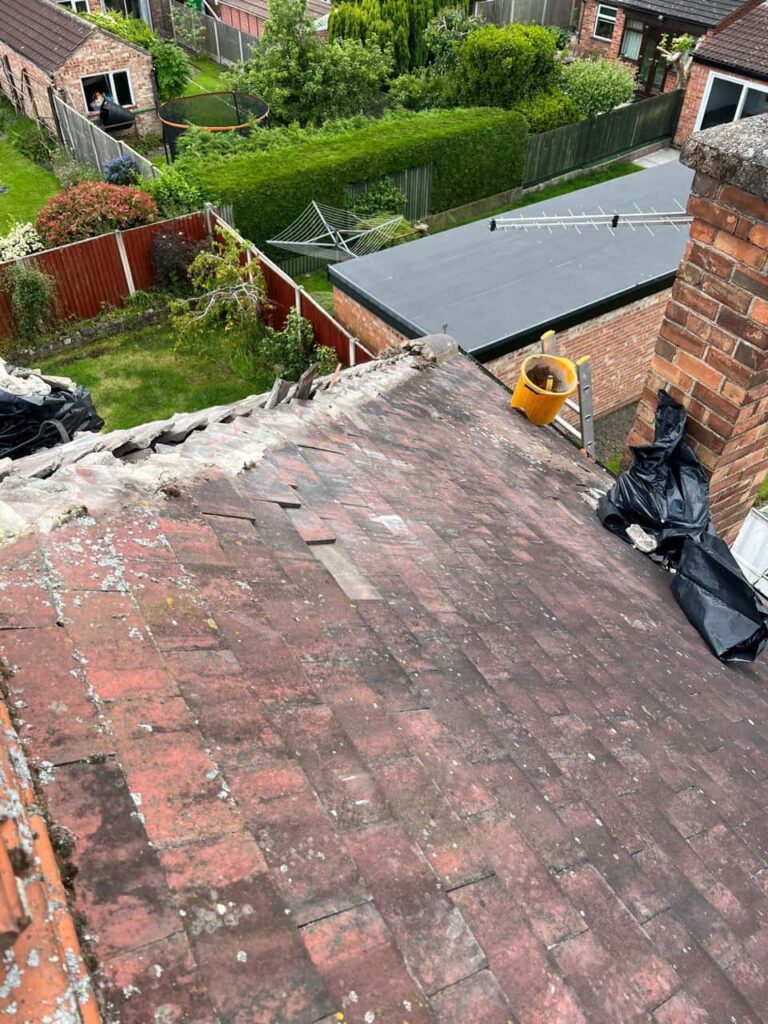
The roofline is an essential part of any property’s roofing system, helping to protect the roof structure, support effective drainage and prevent moisture from entering vulnerable areas. Fascias, soffits and guttering all perform different functions, but they work together to keep a property protected from rainwater and the effects of changing weather.
For homeowners in Sedgley, West Midlands, regular roofline maintenance can help prevent blocked gutters, water damage, timber deterioration and other avoidable roofing problems. By recognising early warning signs and arranging repairs when needed, property owners can keep these important components working effectively throughout the year.
Sedgley Roofing Repairs provides roofing services to help homeowners identify roofline problems and maintain the condition of their property’s exterior.
Why Is Roofline Maintenance Important?
Fascias are fitted along the lower edge of the roof, providing a fixing point for guttering and helping protect the roof’s edge. Soffits sit beneath the roof overhang, covering the exposed underside and supporting ventilation where the roof design requires it. Guttering collects rainwater and directs it away from the building.
When one of these components deteriorates, the effects can extend beyond the roofline itself. Leaking gutters may allow water to run down external walls, while damaged fascias can weaken gutter fixings. Defective soffits may also expose roof timbers to moisture or allow pests to enter roof spaces.
Regular inspections help identify these issues before they develop into more extensive problems.
How to Keep Fascias in Good Condition
Fascias are continually exposed to rain, wind and seasonal temperature changes. Their condition depends partly on the material used, the quality of installation and the level of ongoing maintenance.
Look for Signs of Rot and Deterioration
Timber fascias can deteriorate when exposed to persistent moisture, particularly if paint or protective coatings have broken down. Warning signs include peeling paint, soft or crumbling timber, discolouration and visible cracks.
uPVC fascias can also develop problems, including cracks, loose sections, discolouration and damaged joints. Although they generally require less maintenance than timber, they should still be checked periodically.
If a fascia appears damaged or unstable, arrange a professional inspection to determine whether repairs or replacement are required.
Check Gutter Fixings
Fascias often support the brackets holding the guttering in place. If the fascia becomes weak or the fixings loosen, the gutter may begin to sag or pull away from the roofline.
Addressing loose brackets promptly can help prevent further strain on the fascia. However, if the underlying board has deteriorated, simply tightening the fixings may not provide a lasting solution.
How to Maintain Soffits and Roof Ventilation
Soffits protect the underside of the roof overhang while helping create a neat, weather-resistant finish. Depending on the roof design, they may also incorporate ventilation openings that allow air to circulate through the roof space.
Keep Ventilation Open
Blocked soffit vents can restrict airflow, potentially contributing to condensation and moisture accumulation in the loft. Keep visible ventilation openings clear of leaves, cobwebs and other obstructions.
Persistent condensation, mould or damp roof timbers should be investigated rather than treated as a simple cleaning issue. The underlying cause may involve inadequate ventilation, a roof leak or another source of moisture.
Inspect for Cracks and Loose Panels
Look for cracked panels, gaps, sagging sections or signs of damage around the edges. These defects can leave parts of the roof structure more exposed to the elements and may provide entry points for birds or insects.
Avoid pulling at loose panels or attempting repairs at height. A roofing professional can assess the affected area and recommend suitable remedial work.
How to Keep Guttering Clear and Effective
Guttering is responsible for directing rainwater away from the roof and towards the property’s drainage system. When it becomes blocked or damaged, water can overflow and affect external walls, fascias and nearby masonry.
Remove Leaves and Debris Regularly
Leaves, moss and other debris can accumulate in gutters, particularly after windy weather or during autumn. Over time, this material can obstruct the flow of rainwater and increase the risk of overflowing gutters.
Inspect guttering periodically, especially after storms and during seasons when debris is more likely to collect. Any cleaning should be carried out safely, using appropriate equipment or a professional service rather than climbing onto the roof.
Check for Leaks and Sagging Sections
Look for water escaping through joints, brackets pulling away from the fascia or sections that appear uneven. Standing water may indicate an obstruction, incorrect alignment or a drainage problem.
Gutter joints and seals can deteriorate over time, allowing water to escape even when the gutter is relatively clear. Damaged sections should be assessed and repaired where necessary to restore effective drainage.
Make Sure Downpipes Are Clear
Downpipes carry collected rainwater away from the guttering. If a downpipe becomes blocked, water may back up and overflow at the gutter edge.
Check for visible signs of blockage, leaking joints and water collecting around the base of the property. If rainwater is not draining correctly, a professional assessment can help identify whether the problem lies within the gutter, downpipe or drainage connection.
When Should You Arrange Professional Roofline Repairs?
Routine visual checks can help homeowners identify developing problems, but some defects require a closer inspection. Persistent gutter leaks, rotten fascia boards, loose soffit panels and recurring water overflow should not be ignored.
Professional attention is particularly important when damage affects several connected components. For example, replacing a gutter bracket alone will not resolve the problem if the fascia behind it has weakened through prolonged moisture exposure.
Sedgley Roofing Repairs can help homeowners in Sedgley, West Midlands, assess roofline deterioration, identify the source of drainage problems and determine whether repairs or replacement are appropriate.
Conclusion
Maintaining fascias, soffits and guttering is an important part of protecting your roof and property from moisture-related damage. Keeping gutters clear, checking for loose fittings, maintaining soffit ventilation and addressing damaged boards early can all help preserve the effectiveness of your roofline.
If you notice leaking gutters, deteriorating fascias or damaged soffits, arranging an inspection can help prevent minor defects from becoming more serious roofing concerns.
For professional roofline maintenance and repairs in Sedgley, West Midlands, contact Sedgley Roofing Repairs to discuss your property’s needs and arrange an assessment.
Call us on: 01902 943 599
Click here to find out more about Sedgley Roofing Repairs
Click here to complete our contact form and see how we can help with your roofing needs.